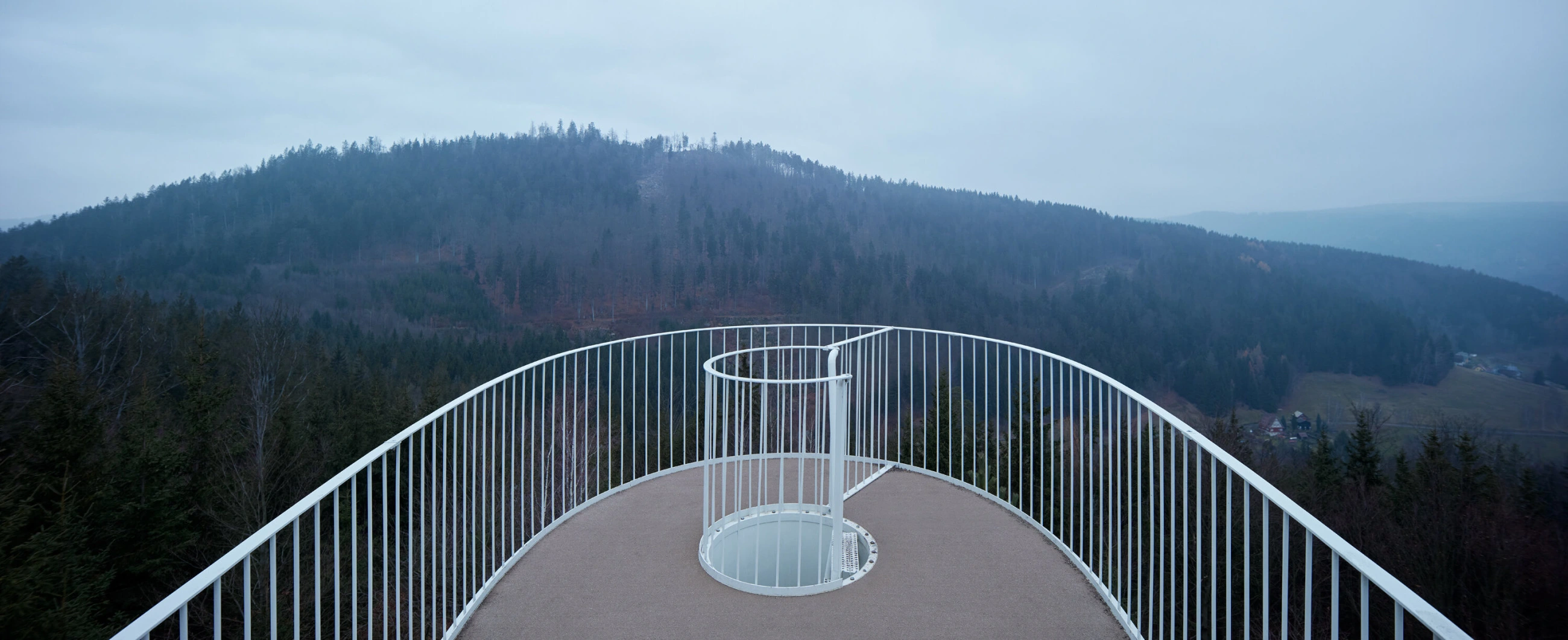
Špička Lookout
Building in the great outdoors is a field of architecture on its own. New structures are being added to the backdrop of deep forests, fog, clouds, and hills. It is work within the scale of an ant, but also of entire landscapes. And the only context that truly endures is that of a starry night sky.
Location:
Malý Špičák near Tanvald, Czech Republic
Client:
City of Tanvald
Phase:
Completed
Year of completion:
2020
Built-up area:
320 m²
Cost:
3,5 mil. CZK
Architects:
Jan Mach, Lukáš Holub, Jan Vondrák, Pavlína Mülerová
General Contractor:
SIZ s.r.o
Špička Lookout, along with the soon-to-be-completed lookouts above Rokytnice nad Jizerou, will be part of a series of five lookouts and towers that we have built in the past ten years. It will conclude a decade of our inquiry into the topic of building in the natural landscape, one of the essential themes of our studio. The diversity among individual concepts comes from a different approach to each particular place. This turns the entire series into a parade of architectural forms, each one based on a careful analysis of the place and the meaning of our intervention.
"Building in such a landscape is a field of architecture on its own.
The context changes constantly with the shifting seasons and the weather. The only constant context
is the starry night sky."
Jan Vondrák
Author
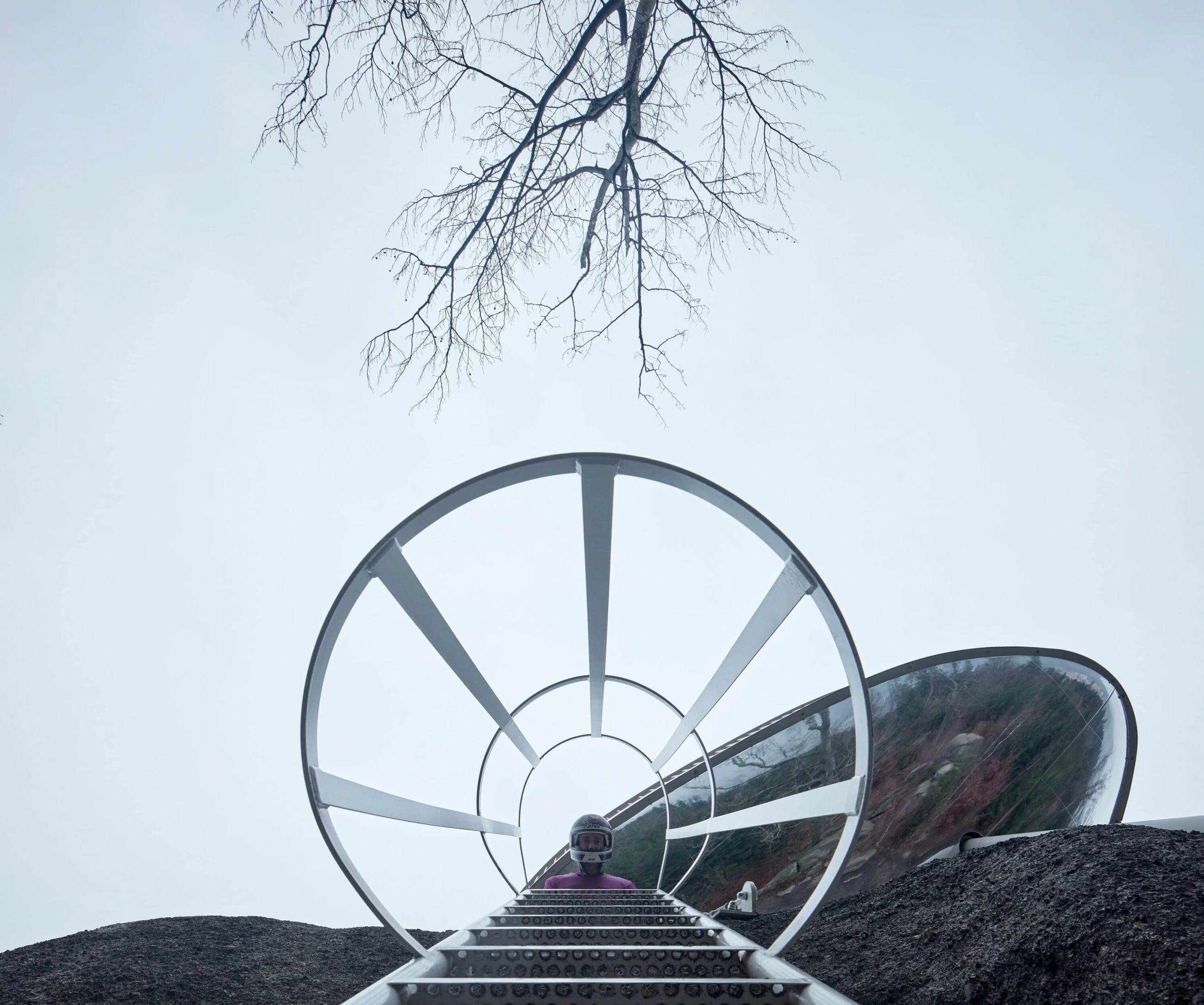
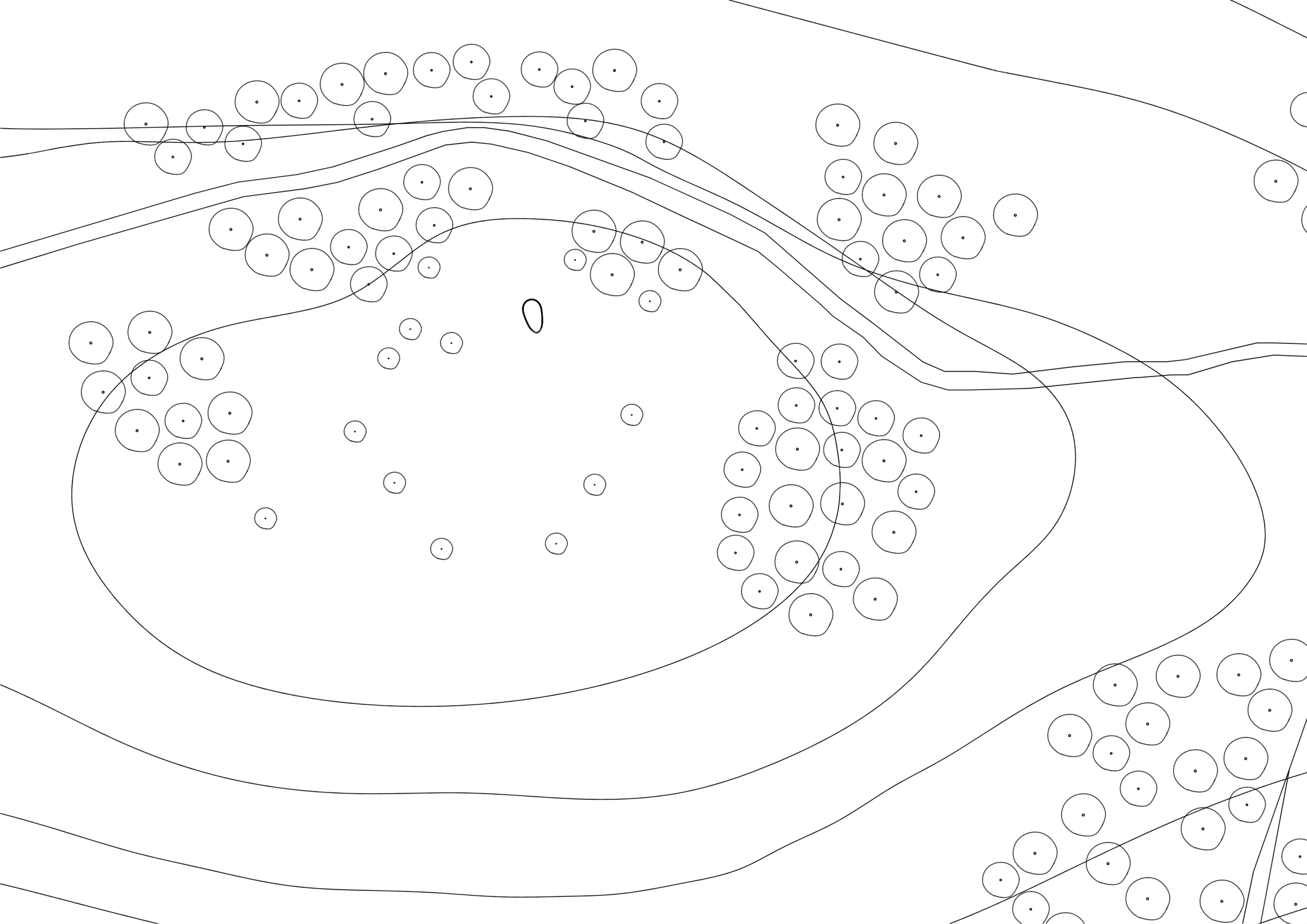
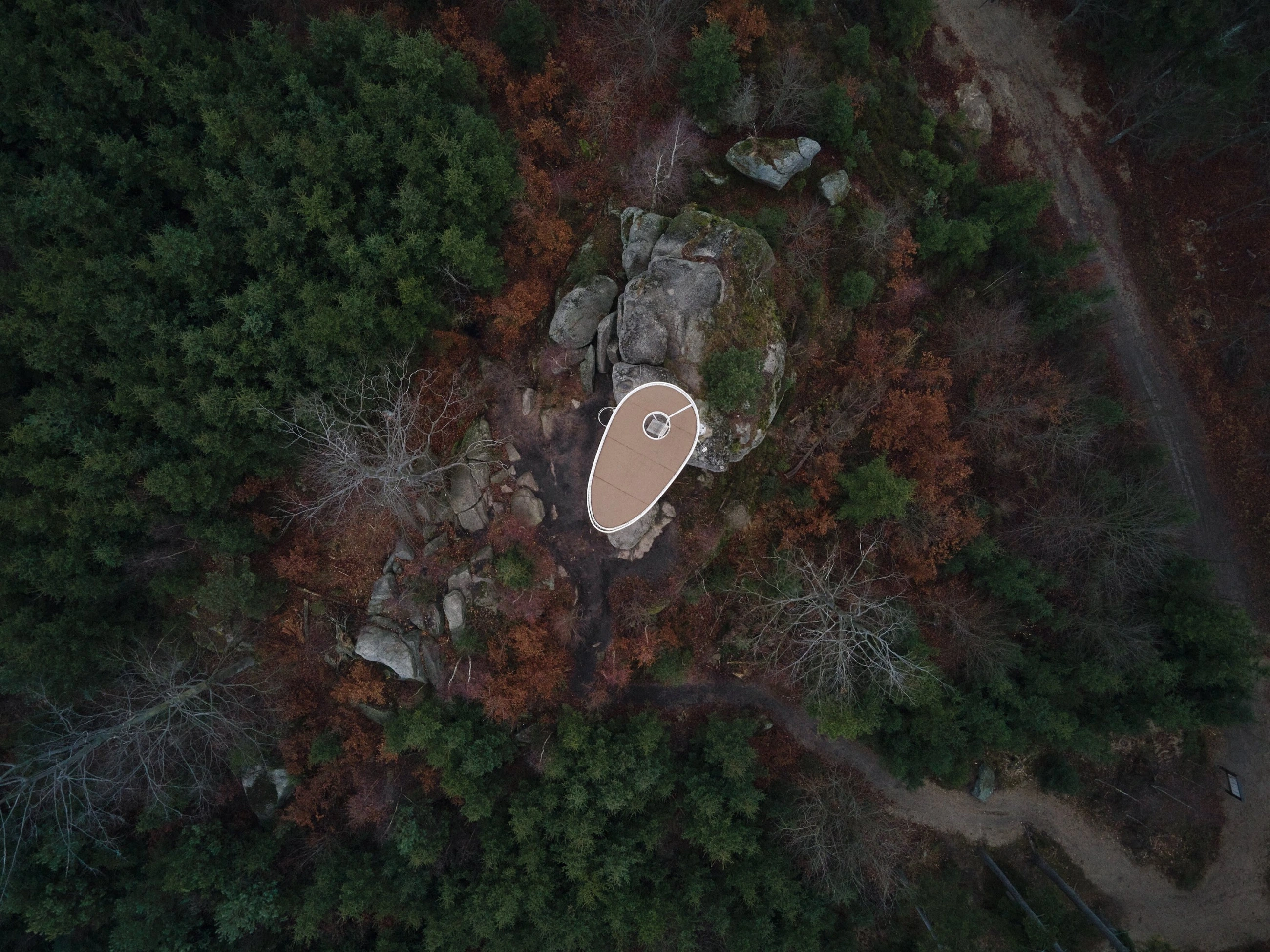
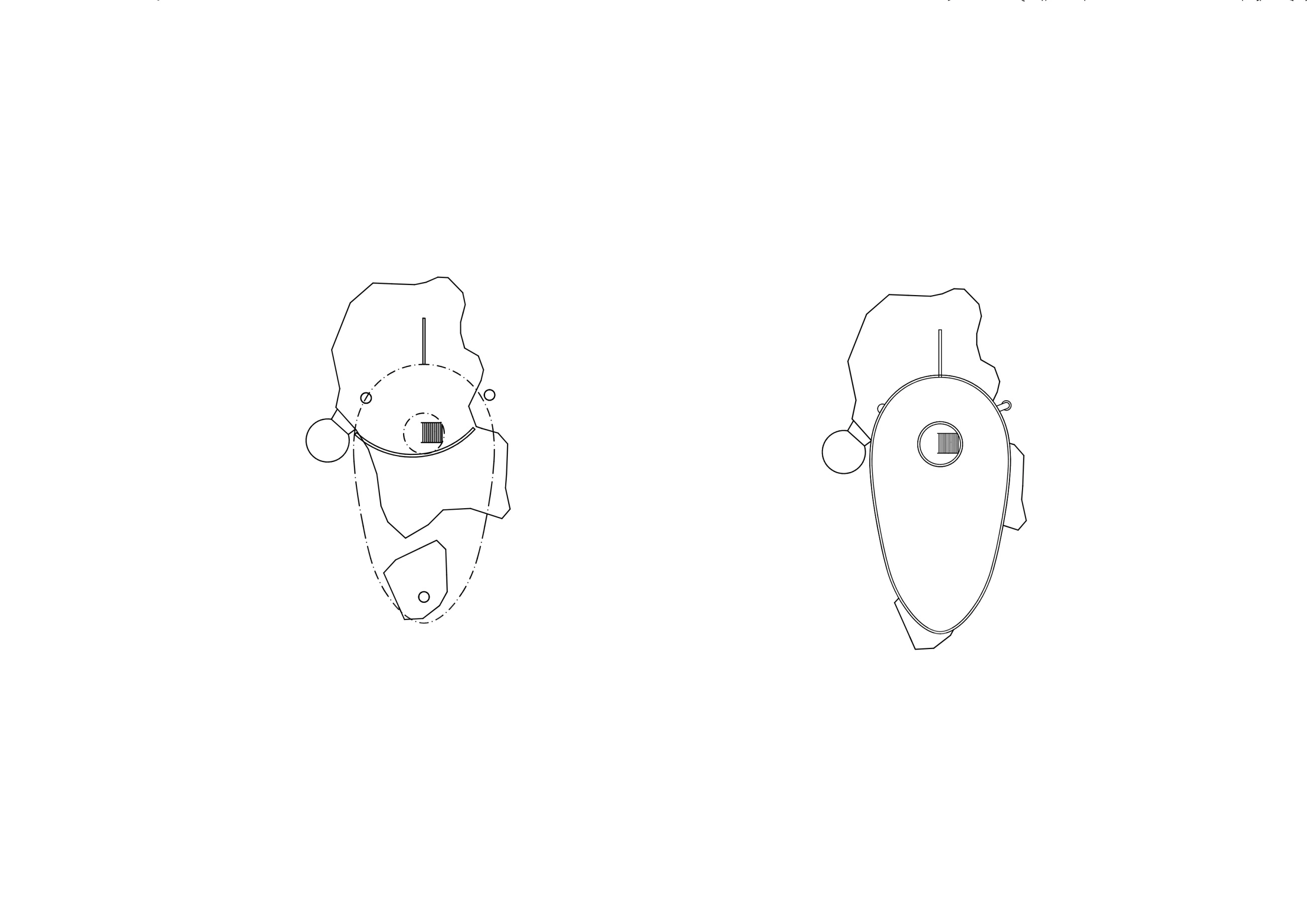
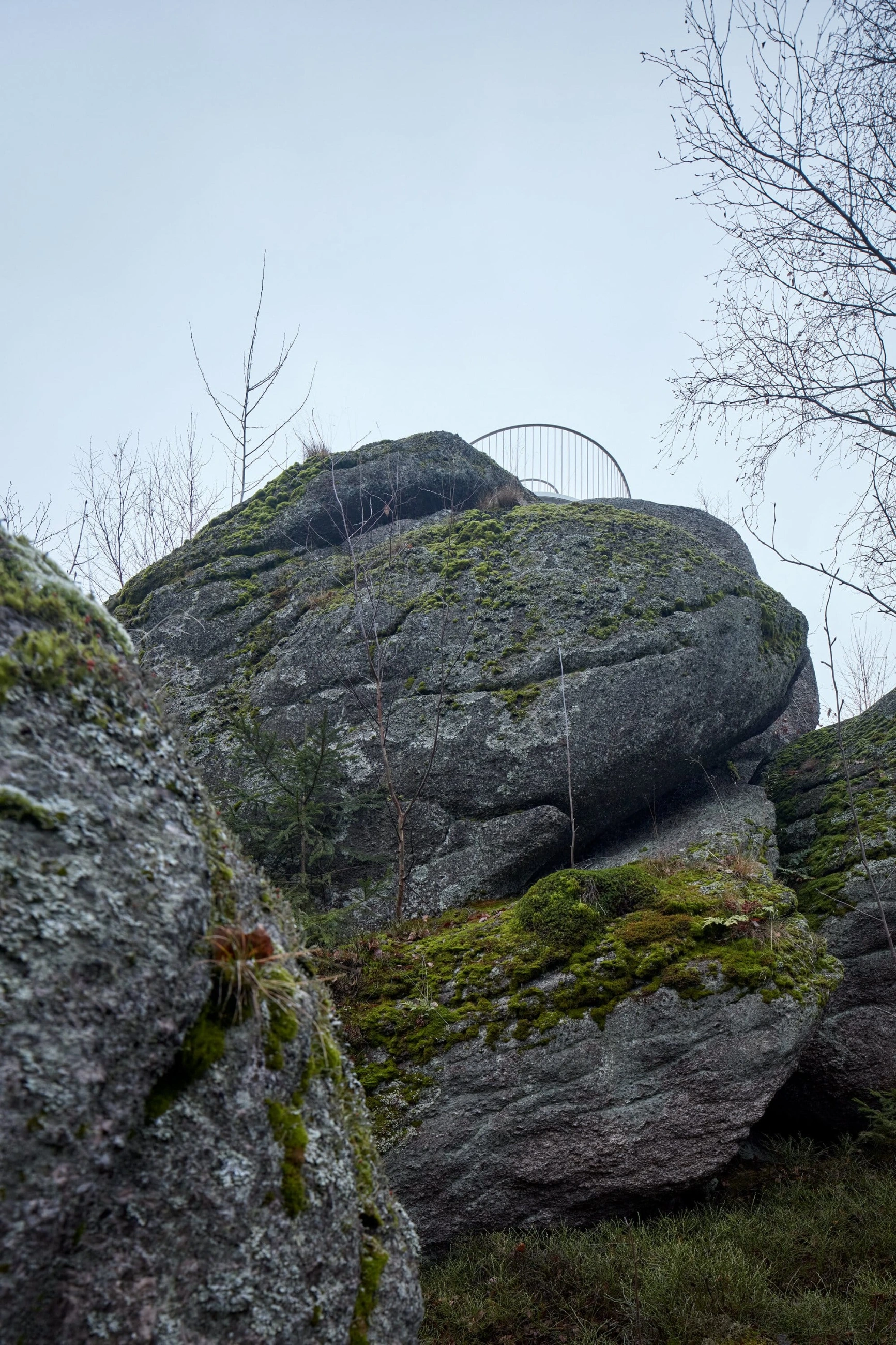
Špička Lookout is located on a rock formation atop Malý Špičák and looks down onto the valley where two rivers, the Desná and Kamenice, meet. In the past, this was the starting point of a bobsleigh track. The close vicinity of several towns makes the mountain top a frequented destination for hiking trips, while also defining a distinctive kind of wilderness just beyond the outskirts of Tanvald.
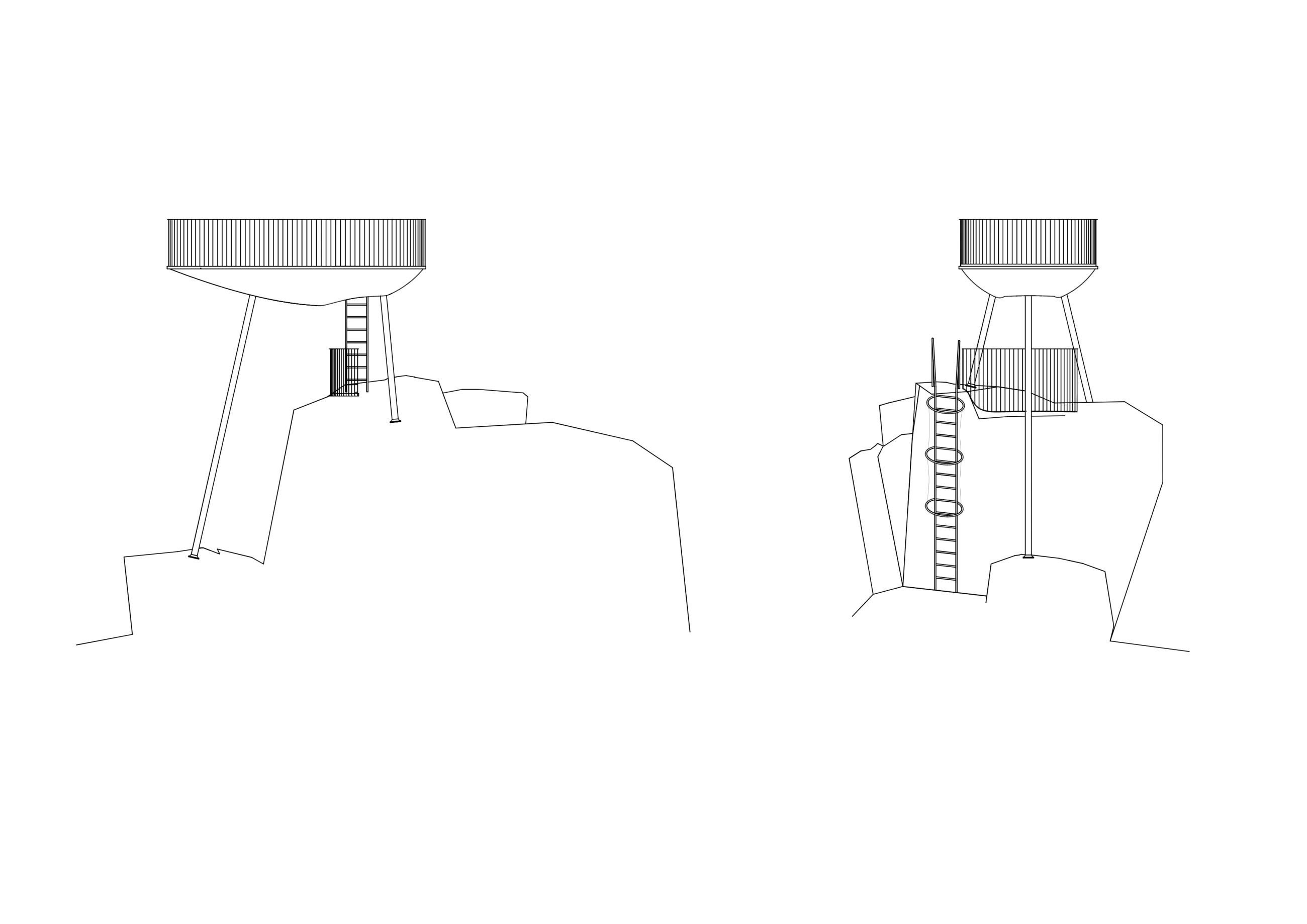
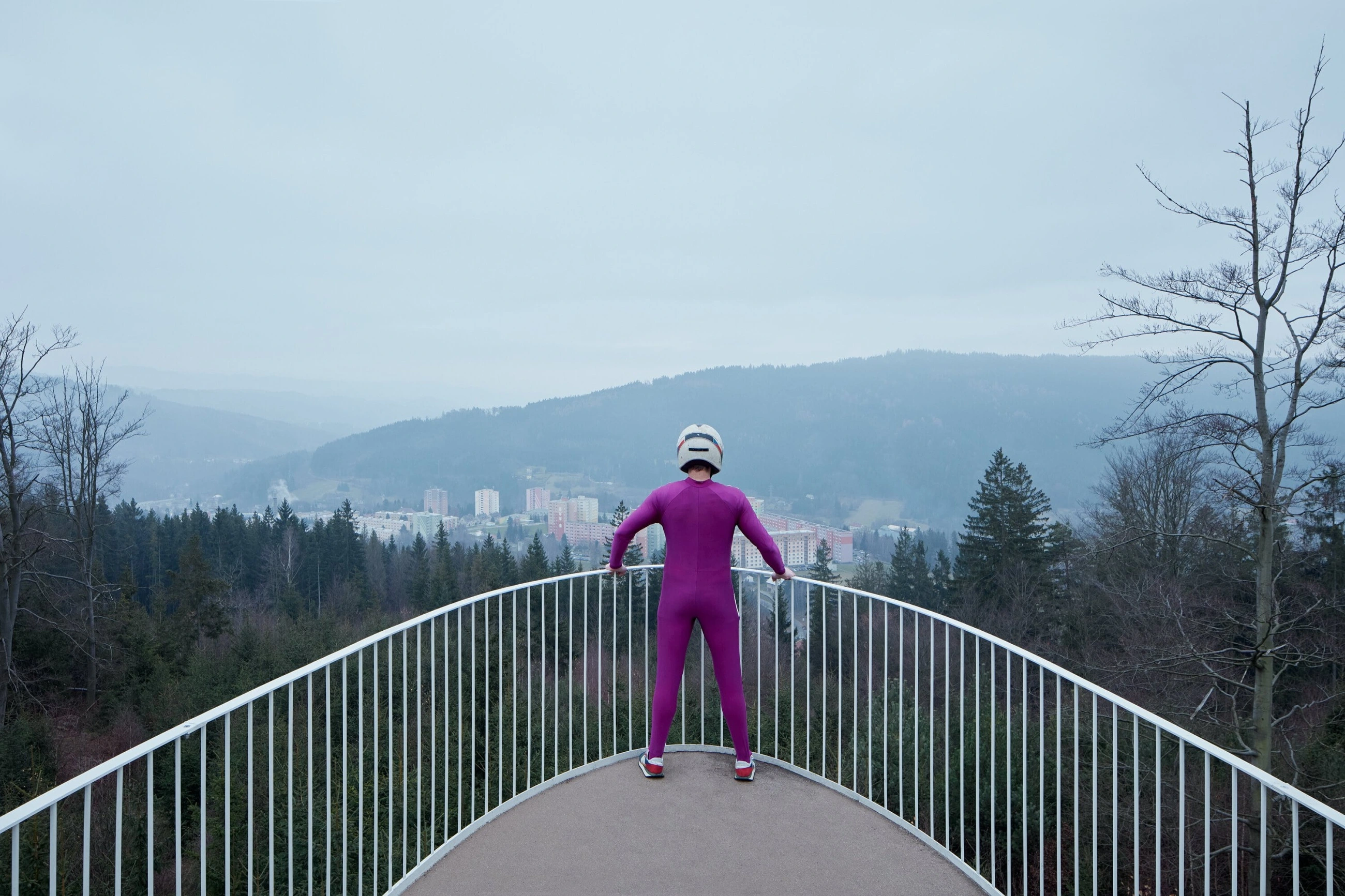
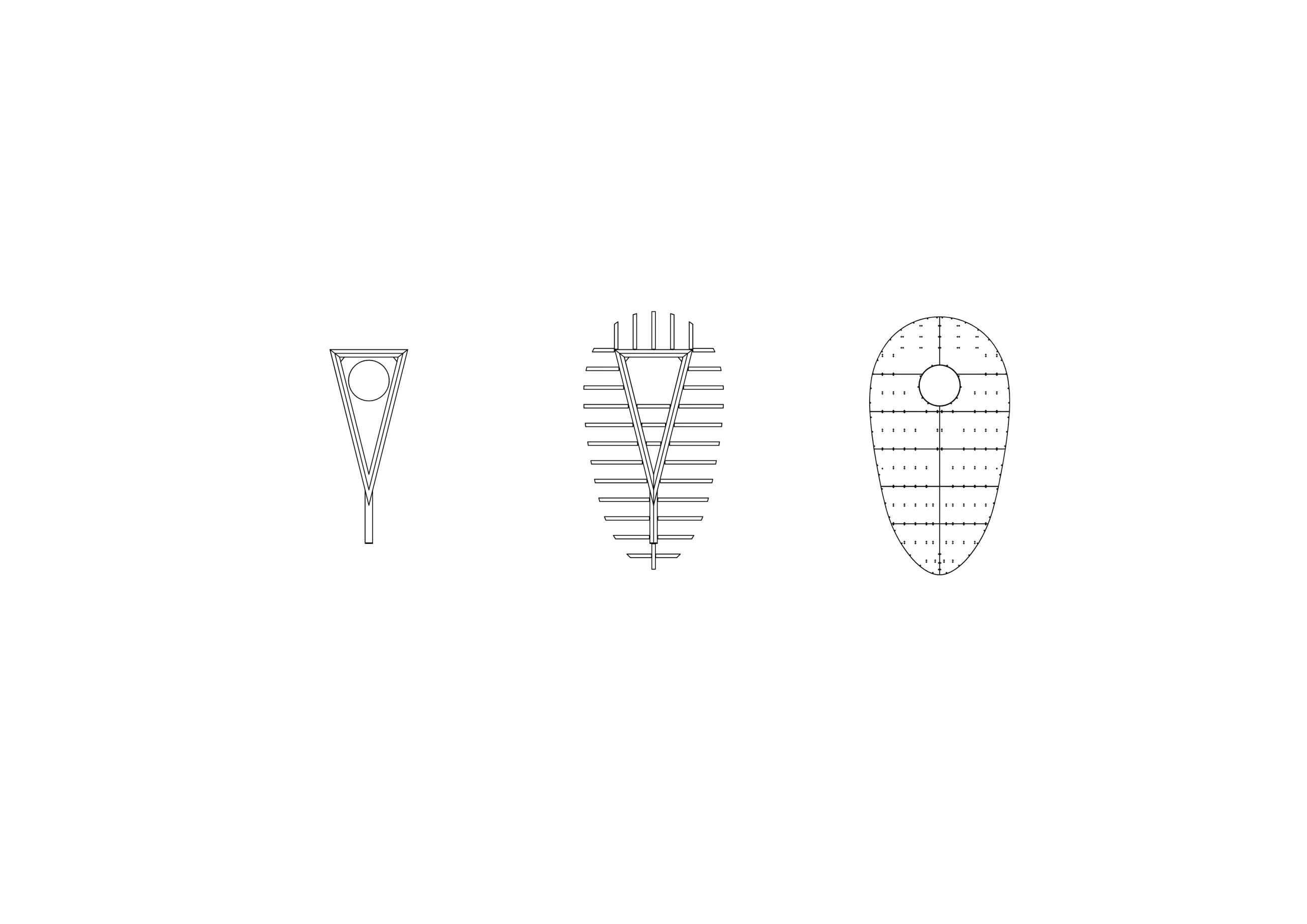
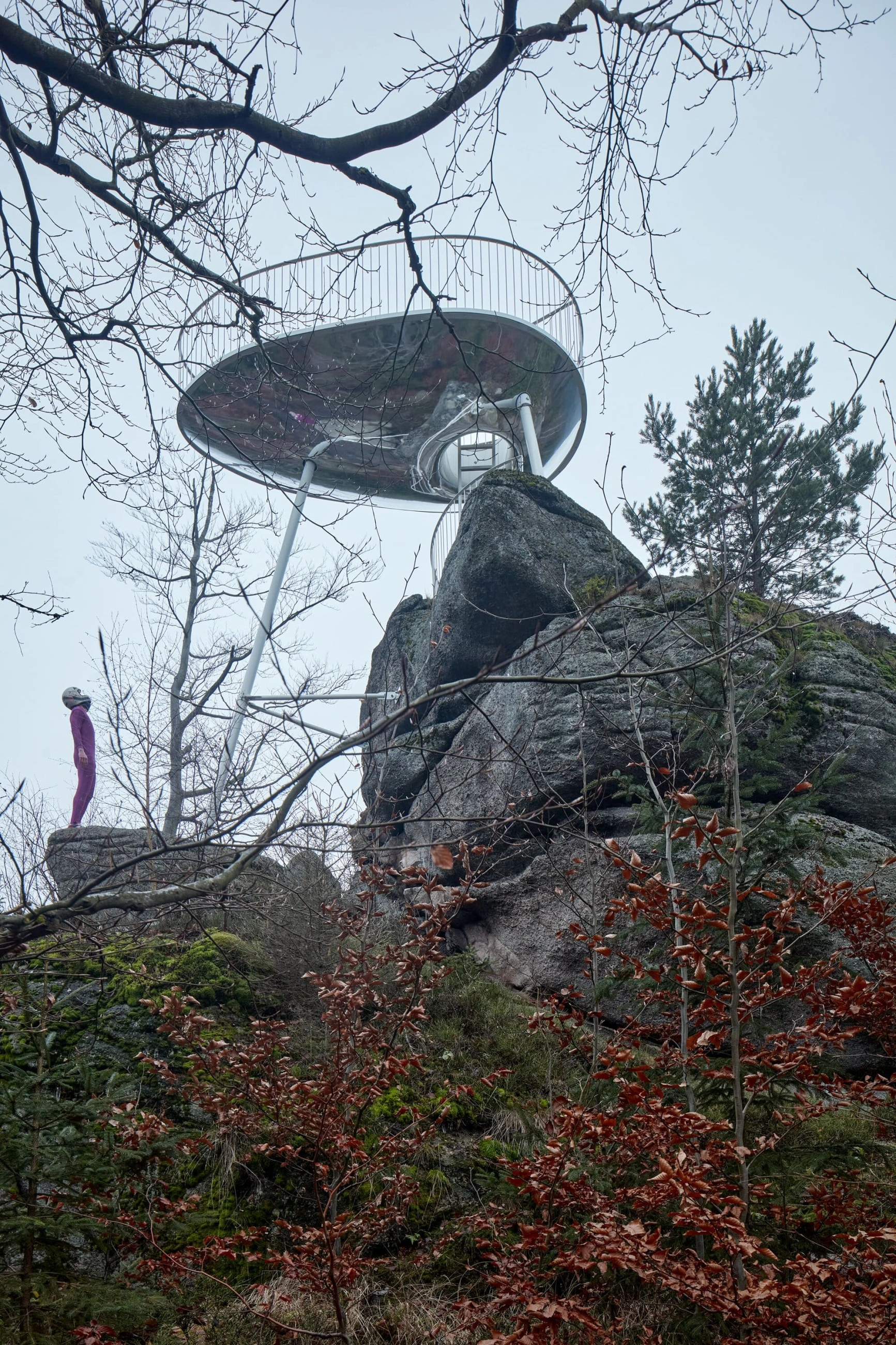
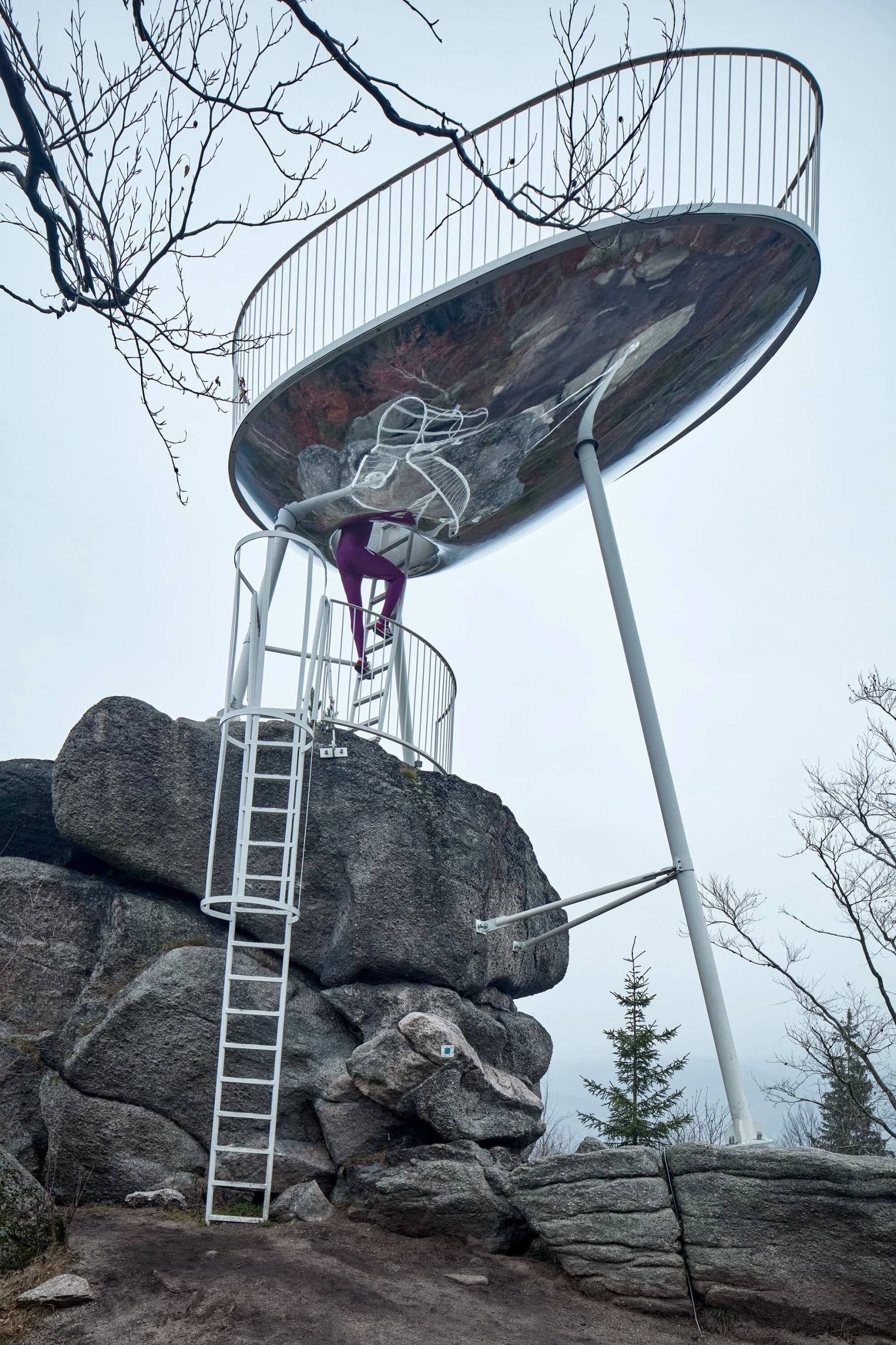
The aim of the design was to create a small yet expressive piece of architecture. A structure as subtle and elusive as a drop of morning dew, one which barely touches its mountain. The lookout stands on three thin steel legs which carry a shiny belly in which trees, rocks, people, and skies are reflected. The reflection on a curved surface is deformed; shapes and colors are bent and mixed. One’s experience of the structure is therefore never the same twice. The lookout will stand here for decades, thousands of visitors will come and go, but each will carry home a different impression of transience.