At home in Siberia
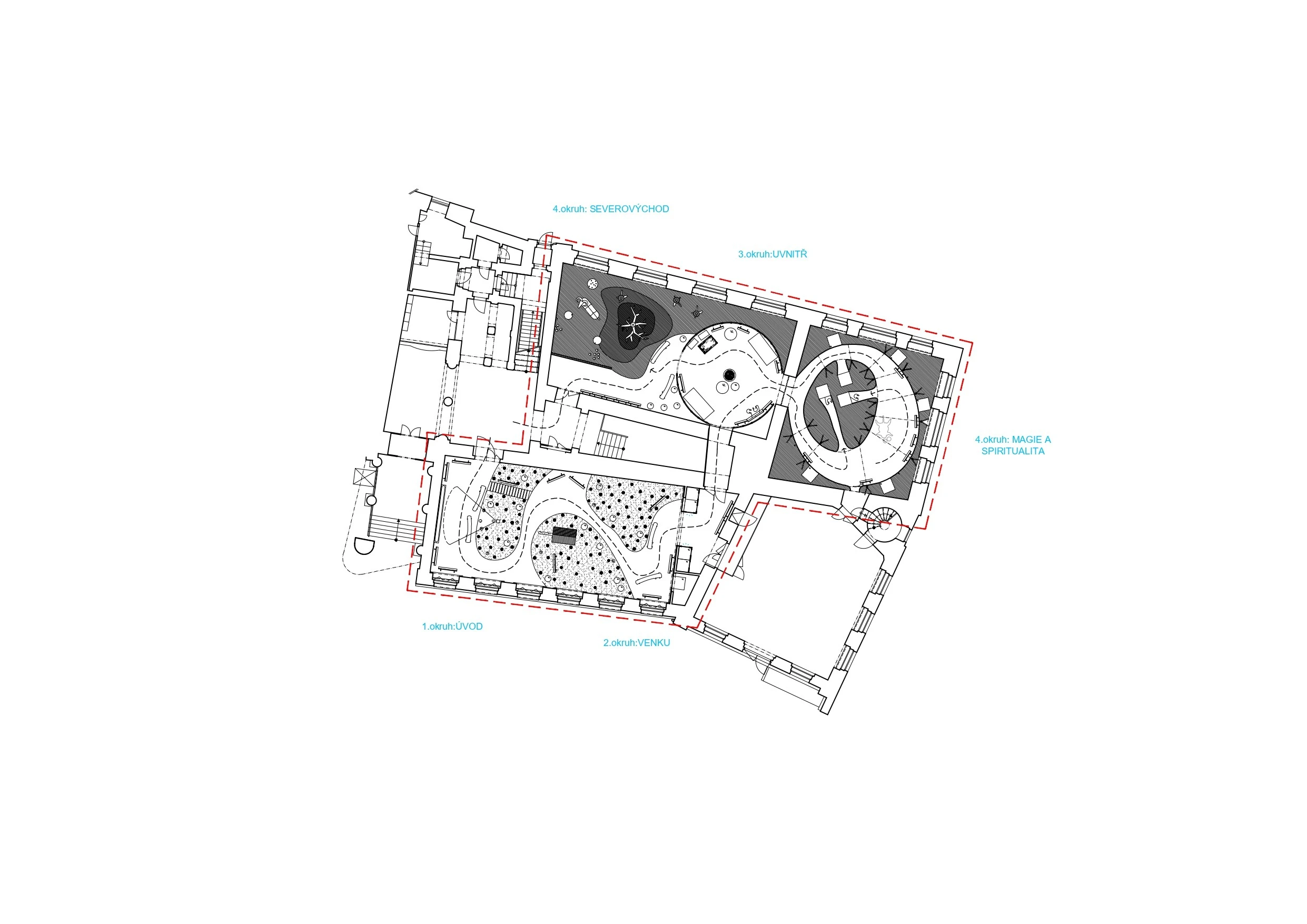
The basic concept of the exhibition is the theme of human contact with nature. Every element in the exhibition is part of a whole that emphasizes not only the objects on display, but also the different environments and moods in which the exhibits are presented. Each room is unique in its atmosphere, which is formed not merely by the sterile environment of exhibition props, but by a well-thought-out system that presents the entire collection through a multi-sensory experience. We sought to plunge the visitor into an environment of scents, sounds, and haptic sensations that tear them out of everyday lethargy. To present them with a unique exhibition about one of the most beautiful and wildest places on our planet, which is slowly evaporating under the pressure of advancing modern civilization. It is precisely this contrast between nature and the traditional way of life of the indigenous inhabitants of Siberia, along with their relationship and the way they cope with the onset of modern times, that is likely the most interesting aspect of the entire theme.
Location:
Praha, Náprstek Museum, Czech Republic
Client:
National Museum
Status:
Study, DPI
Project year:
2019
Completion year:
2020
Floor area:
450 m²
Architects:
Eliška Mülerová, Filip Cerha, Jan Vondrák, Jan Mach
Design engineer:
Mjölk architekti
General contractor:
Mjölk architekti
Photography:
National Museum

Forest
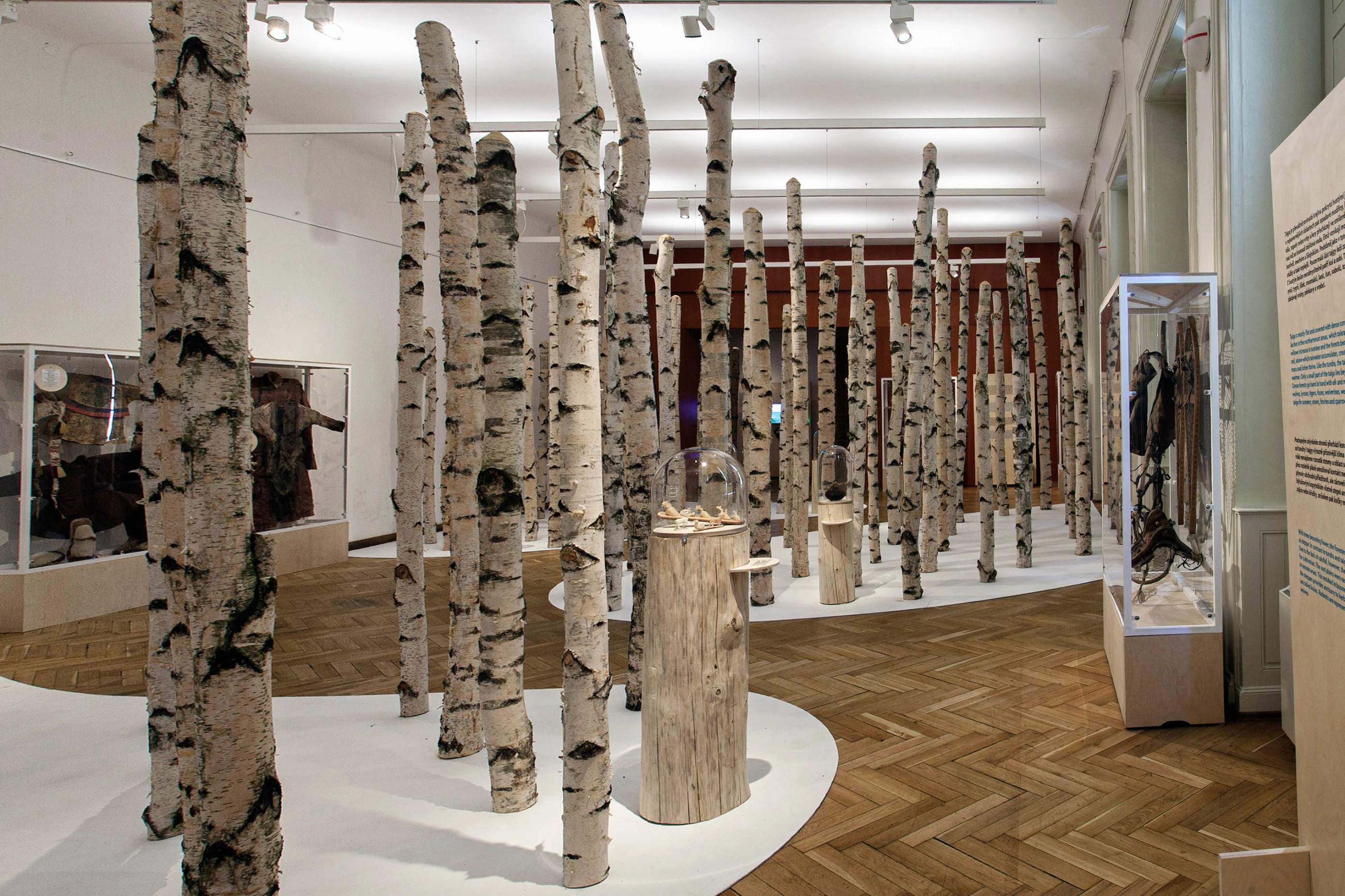
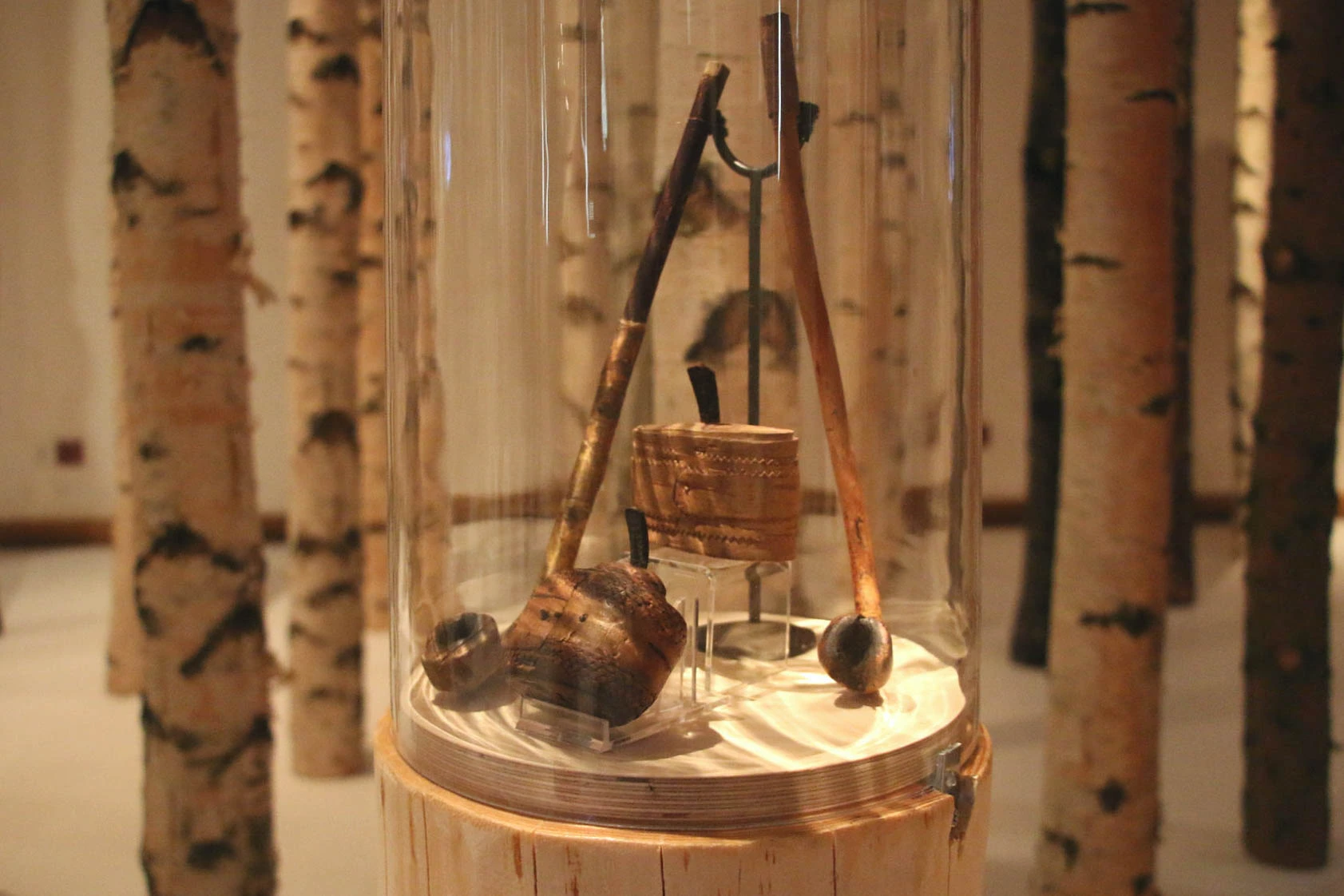
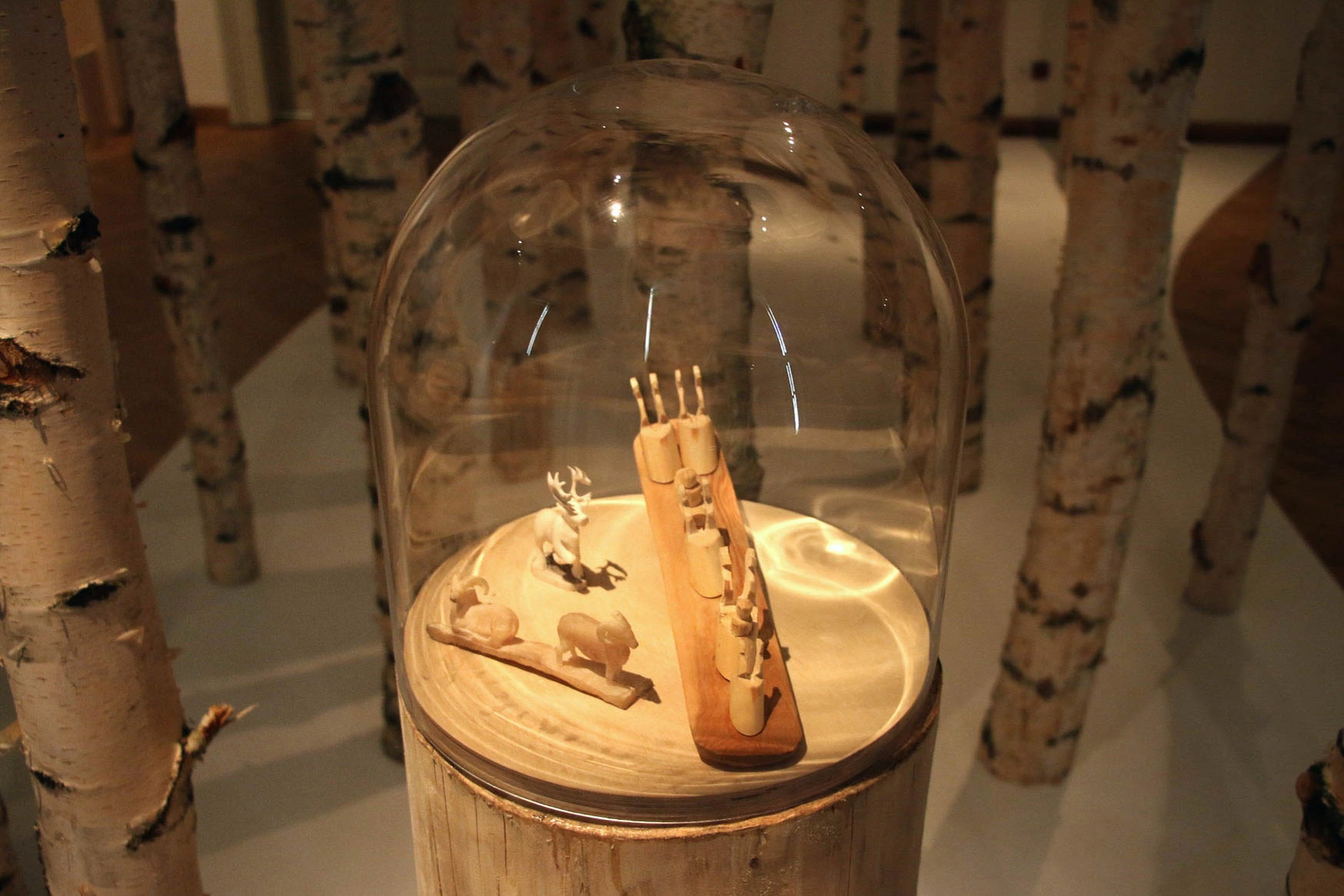
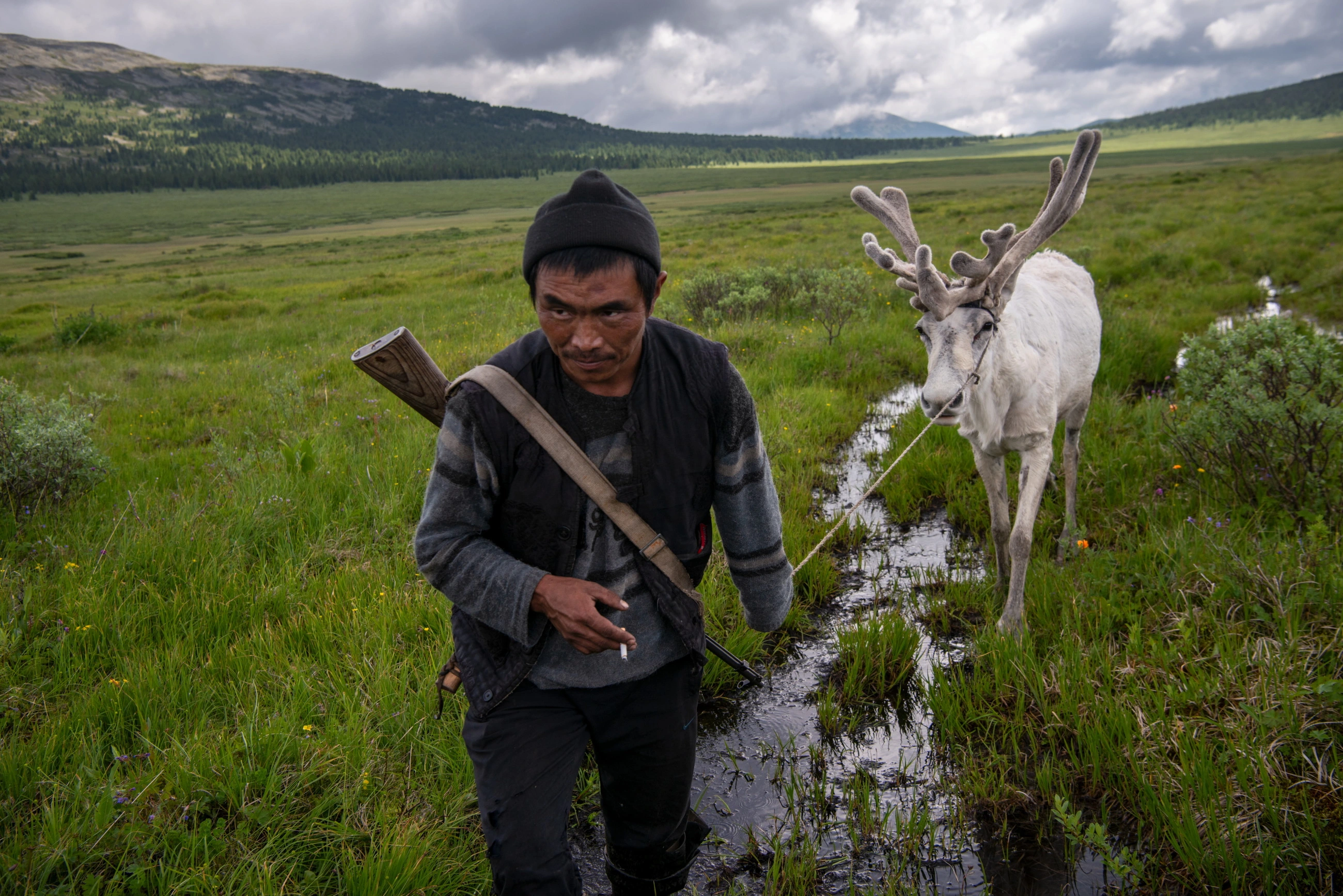
The first room represents the landscape and nature in its most natural form. The installation mimics a traditional Siberian forest, through which it introduces us to the beauty and wildness of the local landscape. Individual objects are presented in small display cases covered by glass domes. Such a presentation is ideal for examining exhibition items from all sides, without unpleasant distortion, through traditional display cases made of laminated glass. These exhibition elements are also used in other parts of the showcase. A fun detail is a mechanical animal device that presents the wild animals of the Siberian landscape in a clever way. The main element of the exhibition is a traditional food pantry, a small structure used in Siberia to hide food from wild animals. If this element were to be realized, it would be worth considering whether to supplement the exhibition with additional architectural elements of traditional Siberian building design, of which there are many in the local typology.
Yurt
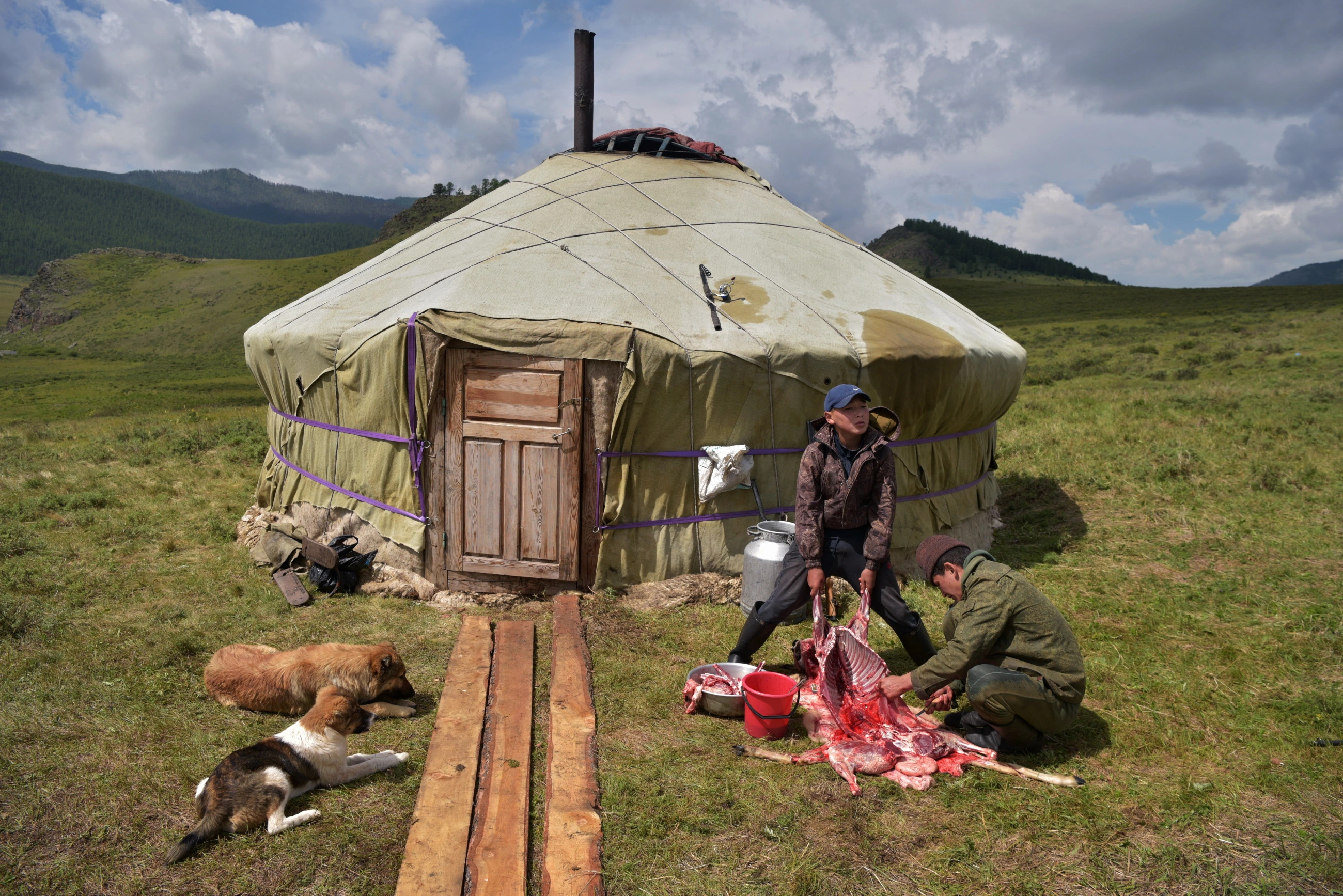
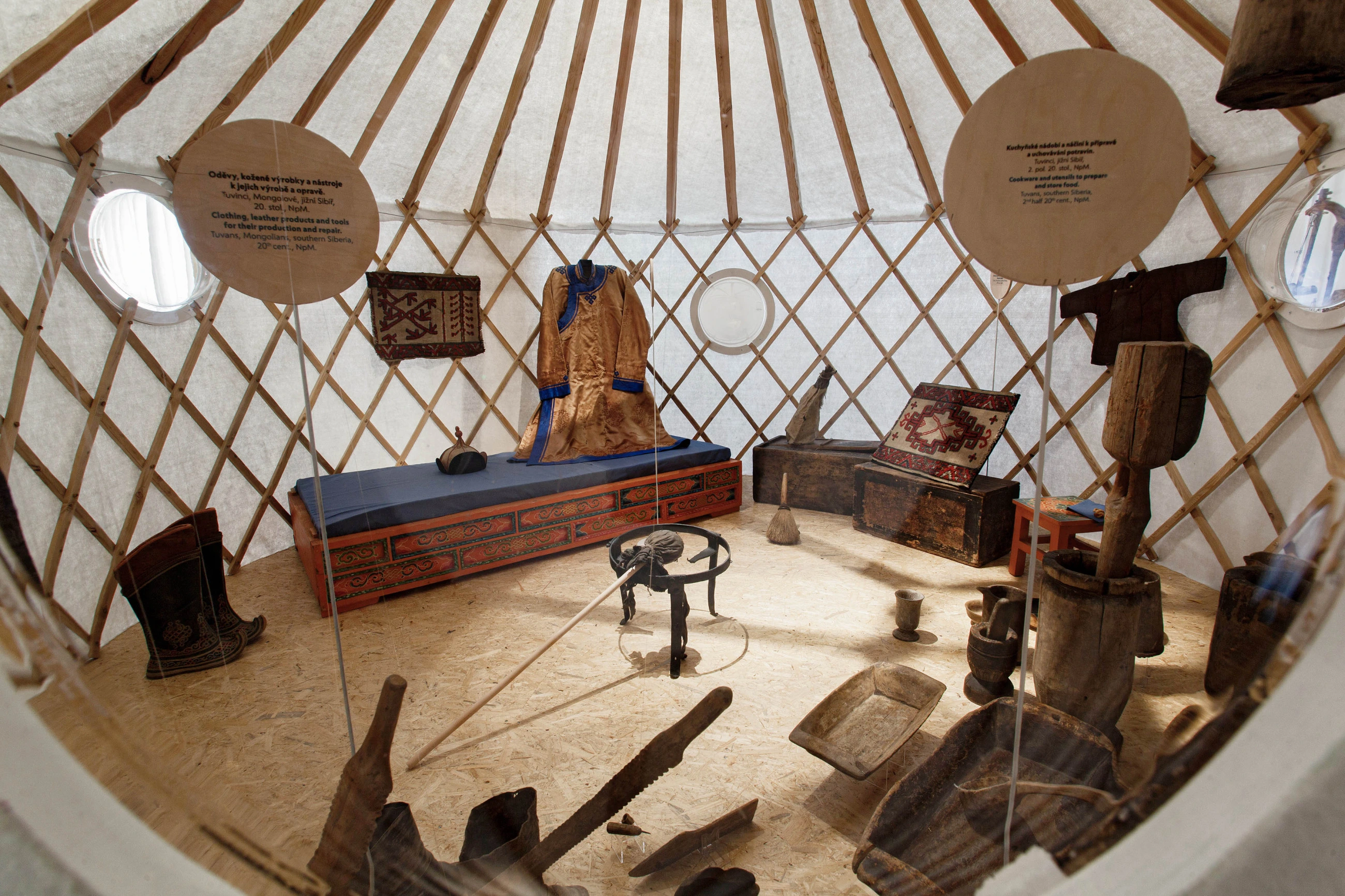
The next exhibition space is the structure of a yurt, which presents the Siberian everyday life of the indigenous people. At the same time, the yurt is a crossroads not only between individual parts of the exhibition, but also the imaginary center of it all. We preserve the shape of a traditional yurt, but the volume itself forms merely a dimensional backdrop for the displayed items. Therefore, we decided to use a wooden structure in combination with white canvas. The color palette of the classic fabric layers is thus suppressed in favor of the displayed exhibits.
Shamans
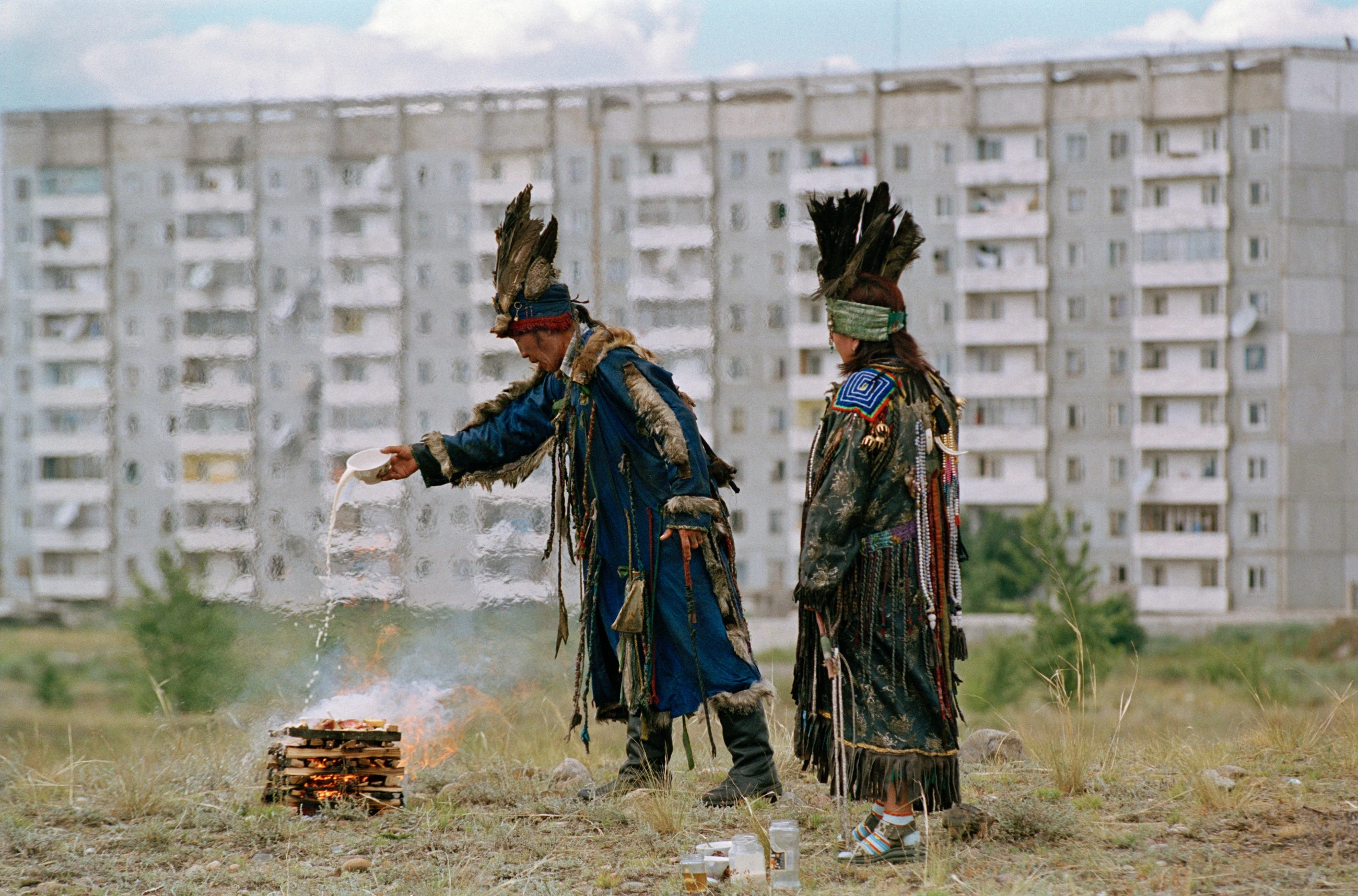
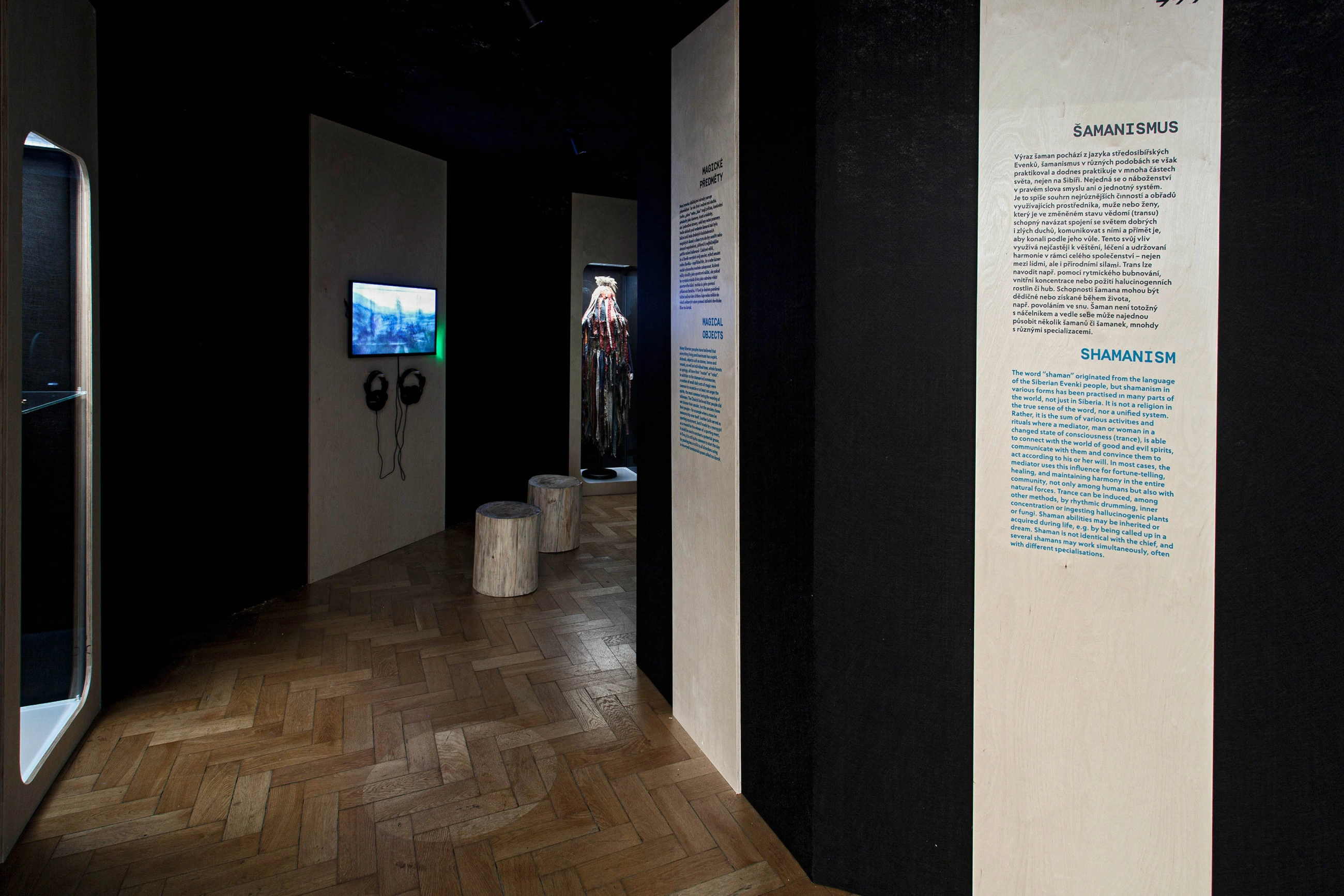
From the yurt, the visitor plunges into an interactive, mysterious environment of shamanic rituals. Through a dark tunnel, the visitor slips past motion-sensitive display cases containing exhibits and multimedia tentacles with projections and headphones into the world of shamanism. Here, people visiting the exhibition will be confronted with information and feelings of shamanic rituals, the fundamental spiritual processes of Siberians. The path through the tunnel leads visitors back to the yurt. Beyond it, the final adventure awaits them in an installation titled Playground.
Playground
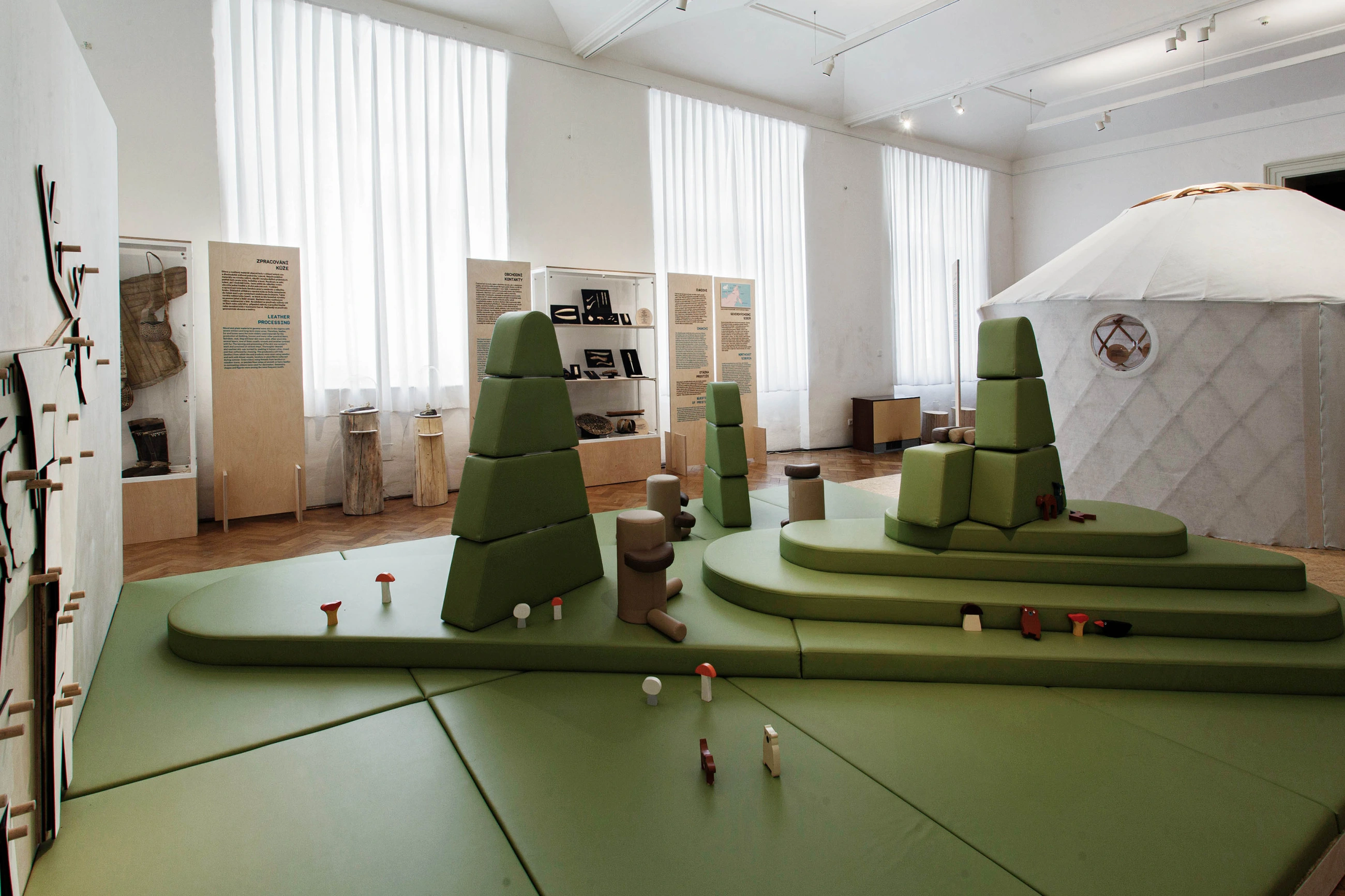
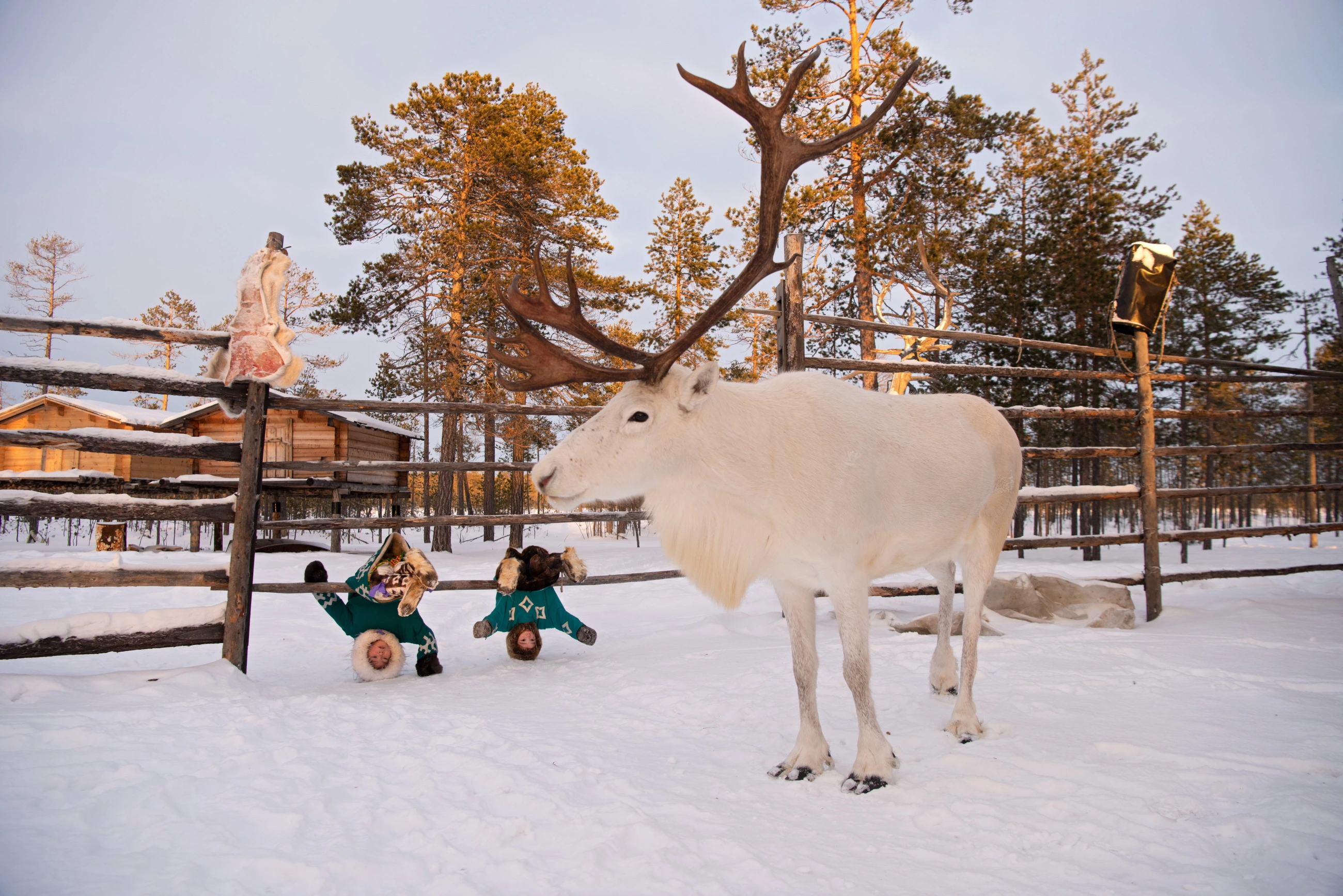
For young visitors, this place will probably be the highlight of the exhibition. A padded exhibit that presents the nature of Siberia in a simplified, more relaxed, perhaps even slightly whimsical form. A construction set made of padded elements that can be randomly joined together using magnets will introduce a reindeer, as well as trees or forest berries of Siberia. Adult visitors will be able to immerse themselves here in an artificial landscape of deep peat mosses and process all the impressions they have collected throughout the exhibition. Part of the soft playground is also a tree for hanging ribbons, one of the elementary elements of shamanic rituals. With that, the visitor's journey through the exhibition comes to an end.